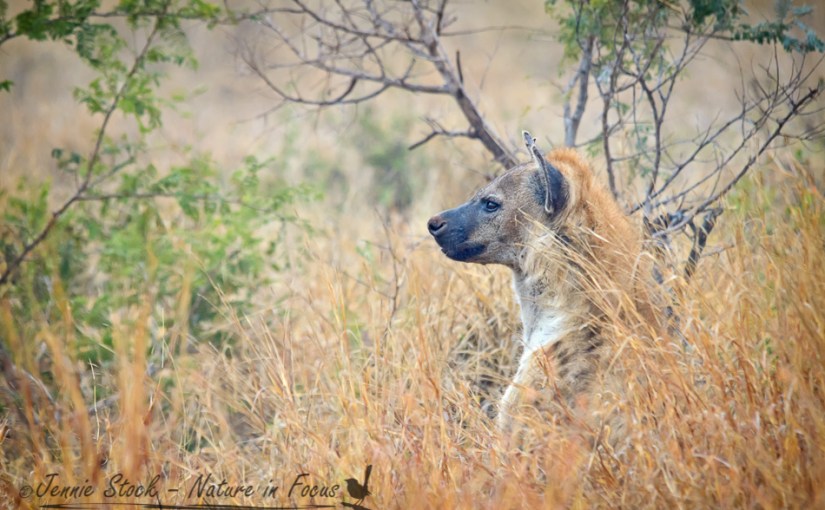
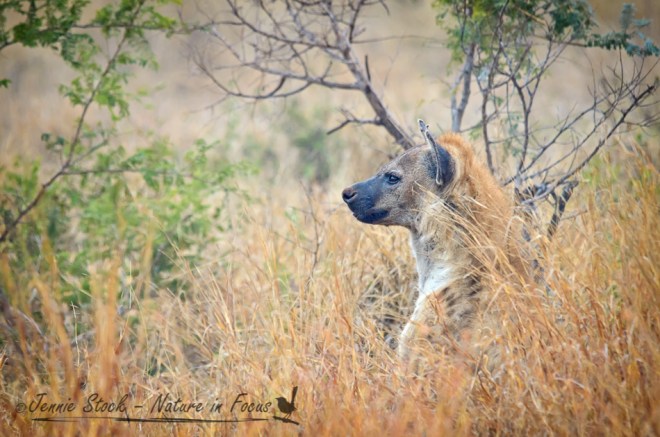
We were all up bright and early on our first morning in the park – except it wasn’t really very bright at all, rather it was misty and quite gloomy for the first couple of hours. Undeterred we set off along a dirt road toward the N’wanetsi picnic site, and were rewarded with a few interesting sightings,such as a small group of sleepy Spotted hyena. Photography was a bit challenging in the light conditions, so I missed getting anything decent of the Ground hornbill group we came across. The spider webs in the mist were fun to capture, and by the time we saw the zebra it was a bit lighter.
Eerie bushveld in the morning mist
Backlit spider web in the bushveld
Plains zebra peeking over another’s back
A pair of Bateleur eagles made great subjects – such majestic birds (and so easy to identify, unlike many other raptors!). At N’wanetsi, we could get out and stretch our legs, and enjoy the view over a river and towards the Lebombo Mountains. I took the opportunity to stalk a few birds – I’m really happy with the bulbul on the aloe stalk as I could get a lovely soft background by virtue of being high up. Clean backgrounds were not always easy in the park as you are constrained by having to stay in your car most of the time. Of course, getting clean backgrounds behind a giraffe’s head is not so difficult as it is way above most of the vegetation.
Portrait of a Bateleur eagle
Dark-capped bulbul feeding on a Lebombo aloe (Aloe spicata) flower spike
Giraffe portrait in colour
The trip back to camp was not too fruitful – the lone wildebeest pretty much sums it up. I did capture one of the ubiquitous Lilac-breasted rollers, illustrating my struggles with busy backgrounds in the process.
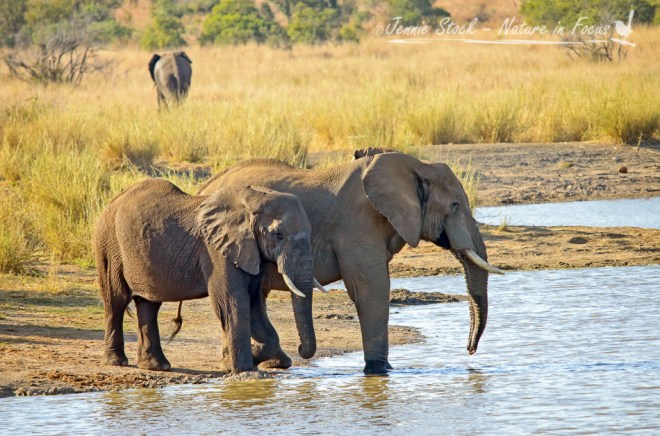
We were very lucky with elephant sightings throughout our trip. I could have spent ages watching this group drinking and splashing about at the waterhole, but we did have to keep going to make Satara before the gates closed.
Time for a refreshing drink
Drinking with a trunk is a messy business
Lovely splash of cooling mud
Catching the hippo yawning at the waterhole was pretty cool, as was this mid-tree squabble between two Tawny eagles (I think?). Never did figure out what the issue was though.
Open wide
This is my tree!
Another ‘Big Five’ species we saw plenty of was buffalo, especially near Satara where the grass must be tasty. The late afternoon light was lovely to work with, as long as the animals were on the right side of the road. A Burchell’s coucal and a pair of male Waterbuck posed very cooperatively.
Our main reason for visiting South Africa last year was to celebrate my parents’ golden wedding with a family trip to the Kruger National Park, one of the oldest and largest game reserves in Africa. For my sister and I, it was a chance to share one of our more treasured childhood experiences with our own children. We used to visit the park almost every second winter, but only the eldest of the four grandchildren had been there before this trip.
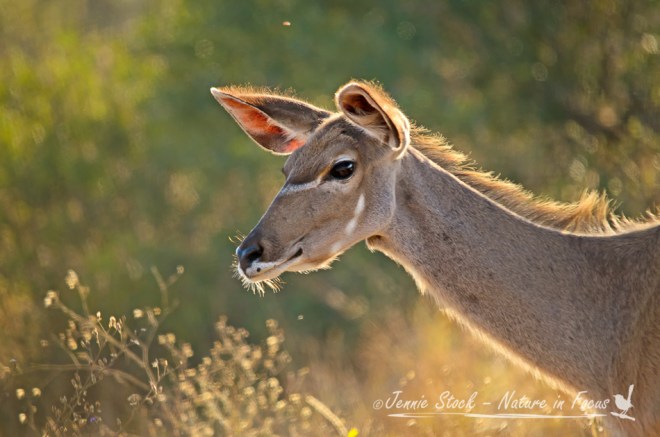
We stayed in the town of Malelane for one night before heading into the park nice and early in the morning. One of our first good sightings was a small group of Greater Kudu – I love the way the back-lighting emphasises the huge ears of the doe. The young male with her didn’t have the massive horns some of the older males possess, but was still impressively stately. First stop was at the Afsaal picnic site, where we could get up close and personal with Southern Yellow-billed Hornbills and Cape Glossy Starlings while cooking bacon and eggs for breakfast.
Cape glossy starling in the sunlight at Afsaal
Young male Greater Kudu
Southern yellow-billed hornbill on the lookout for scraps.
As we headed north towards Skukuza, it began to warm up and the sightings slowed. We did get some good views of Klipspringer on a rocky outcrop, as well as seeing a couple of groups of elephants and a Red-crested Korhaan. After stopping in Skukuza for lunch and tyre repairs (one vehicle had a flat on the drive from Johannesburg), we headed towards Tshokwane, another picnic site where you can get out of your vehicle. A very tame female Bushbuck wandered around and we were entertained by one of the staff chasing a baboon out of the kiosk with the aid of a till roll and good aim. Once back in the car, the light began to improve from a photographic standpoint, allowing a lovely portrait of a female Waterbuck.
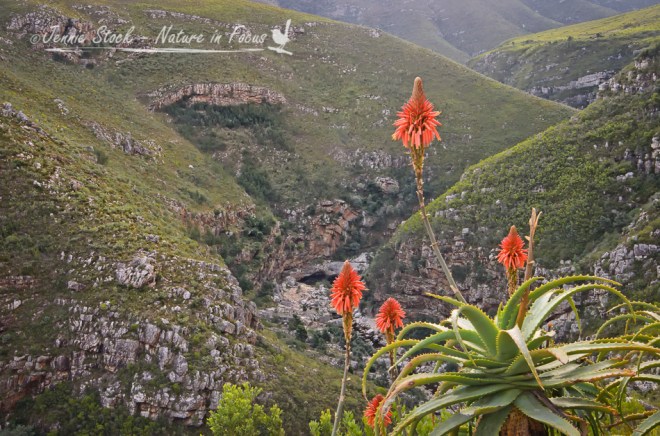
There are plenty of mountains and mountain passes in the Western Cape. One of the more interesting passes is the Tradouw Pass, which crosses the Langeberg between Swellendam and Barrydale. Completed in 1873, it was built by convict labour under the direction of road engineer Thomas Bain. During rebuilding in the seventies, several lay-byes were built, making it safer to stop and take photographs. Dramatic red aloes were flowering when we visited. The pass cuts through a section of the Cape Fold Mountains, and the folds and twists in the sandstone are clearly visible. These folds and twists are even more obvious when driving our usual route to Montagu through the Kogmanskloof. Great for impromptu geology lessons!
A section of the Tradouw Pass.
Looking south along the Tradouw River from the pass.
Gateway to Montagu from Ashton and Robertson – Kogmanskloof late in the afternoon.
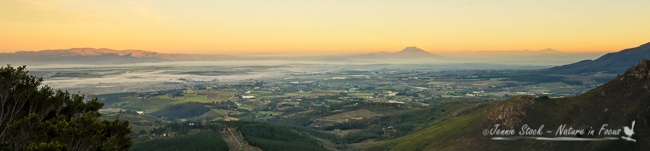
Du Toitskloof is another awesome pass – it used to be part of the major route into Cape Town from the north but these days there is an impressive tunnel through the mountain that takes most of the traffic. We drove over the top using the old pass very early one misty morning on our way to Franschhoek and stopped a couple of times, resulting in these stitched panoramas.
Looking from Du Toitskloof towards the Hex River mountains
Looking south towards Paarl and Wellington from the top of Du Toitskloof
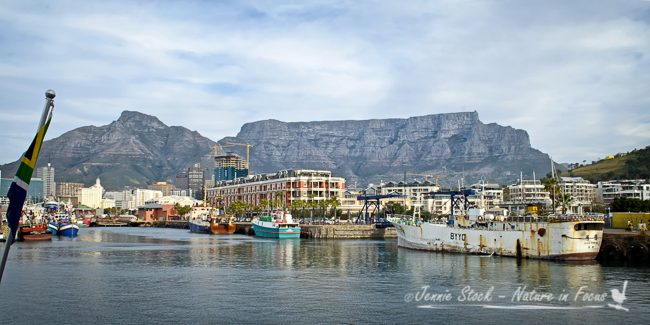
And then we get to the Western Cape’s most iconic mountain – Table Mountain in all her glory, seen from the V&A Waterfront, a combined tourist attraction and working harbour. Table Mountain and Devil’s Peak on the left, from the waterfront.
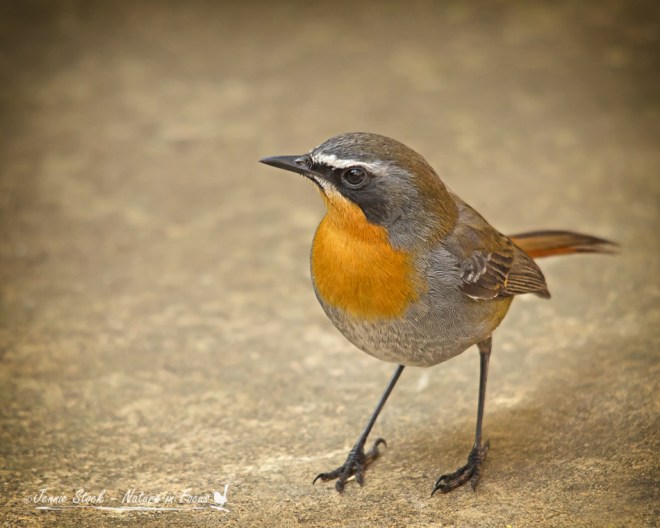
Firstly some apologies for my absence – we’ve been travelling for a few weeks. My original plan was to prepare some posts to publish on the go but things got away from me and it never happened. Maybe next time! And so back to July last year for a look at my favourite birding images from my stay in Montagu. The Cape robin-chat above is very tame and has my parents well trained to produce snacks of cheese on demand. If they are a bit tardy, he wanders into the house to hurry them up!
The gorgeous male Southern double-collared sunbird seen in the garden
Cape weaver on a wire feeder.
Female Cape weavers squabbling over the bread holder.
Birding in my parents’ garden is always rewarding, especially as they have a good supply of bird feeders. Another awesome spot in Montagu is the lei-water dam, used as a roost by egrets, herons and cormorants. It is right in town and has a great hide/platform which gives good access for photography. I could probably spend a whole day there — no-one else in the family can quite see the attraction as it is a bit smelly. My favourite image is the male Cape weaver in breeding plumage hanging from the bottom of his nest, which is built on the end of a thorny branch and suspended over water. Hope the lady weaver approves! We also found more industrious weavers in the nature garden on the other side of town – this time, a Southern masked weaver was busy with the beginnings of his nest. It was fascinating to watch him weave the grass strands in and out.
Incoming! Grey heron adding twigs to their nest at the lei-water dam.
Male Southern masked weaver beginning his nest.
Blackheaded herons at the lei-water dam
Male Cape weaver looking for female approval of his nest building skills.
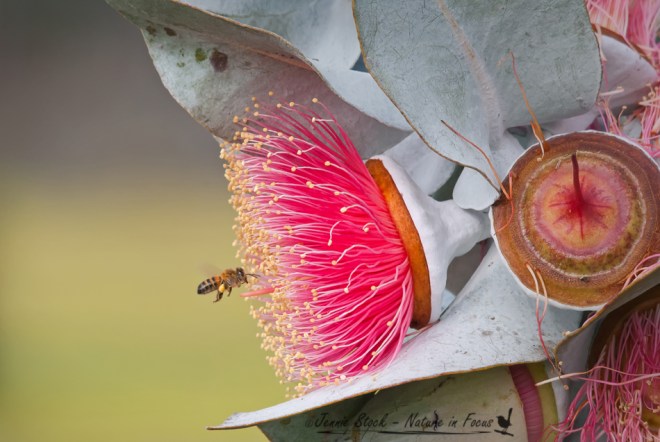
One of my goals for 2013 was to enter a few photographic competitions. My most exciting result so far has been to achieve a Highly Commended for this image in the 2013 ANZANG competition, organised by the South Australian museum and celebrating the diversity of nature in Australia, New Zealand, Antarctica and New Guinea. I received a beautiful book with all the finalists’ images in, and am looking forward to the exhibition coming to Perth some time next year.
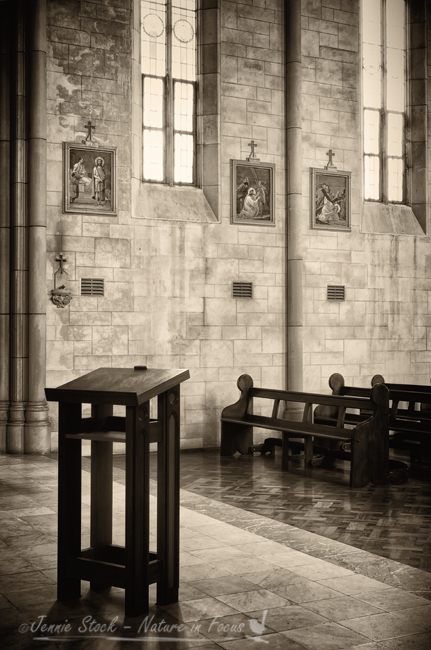
Another result I was happy with was being selected as a finalist in the Mono (West Australian Architecture) section of Clickwest, a competition organised by the WA Photographic Federation. At the awards night, all the finalist’s images were shown on a big movie screen, which was pretty awesome. We also each received another lovely book of images. My image was taken in the chapel of St Michael the Archangel in Leederville – the surrounding buildings were a convent but are now the head office of the Catholic Education Office.
St Michael the Archangel Chapel, Leederville
I entered a few images in two other competitions – the International Loupe Awards and the Better Photography Photograph of the Year 2013 – mainly for feedback, as if your image meets a certain standard you are awarded Bronze, Silver or Gold certificates. If you are lucky, you get a few comments from the judges about where you can improve. The monthly competitions at my camera club have been an awesome source of feedback and learning, as you get to hear the judge’s comments on all the images, not just your own. It makes you realise too how subjectively we view images, as each judge has a unique perspective. I was pretty happy with coming 6th overall in the club for the year, and getting two second placings in the end of year print competition.
A print of this image came second in Colour prints at the NEPG end of year competition.
Taken in Kruger in July 2013 – came second in Mono prints in NEPG end of year competition.
This image scored 83 in Amateur illustrative with a big score range (94/84/70) – would have been interesting to see how it went in the Science & Nature but I couldn’t afford to pay for more Open entries.
Orangutan photographed at the zoo – score of 83 in Loupe Awards, with range from 70 to 95.
Scored 84 in the Loupe awards, with the most consistent scoring of all my images entered. Squeaked into the top 50 of the Science and Nature section at number 47.
A young kangaroo captured at Pinnaroo Memorial park. This image also did well at camera club, winning the Mono prints in February.
This image of a pelican’s foot also did well in the WAPF interclub comp, coming 4th in Mono prints.
This was taken at sunrise on a morning when the sun didn’t really make an appearance, whilst on a camera club weekend away. We had no luck with the sunrises for three mornings in a row! So I decided to process it as a black and white to suit the name of the lake (really an old coal mine pit lake).
This image also did well in the WAPF interclub competition, coming 4th in Colour prints.
Experimenting with motion, an image of my daughter playing the viola. I was pleased to get a bronze for this, as it is not my usual genre.
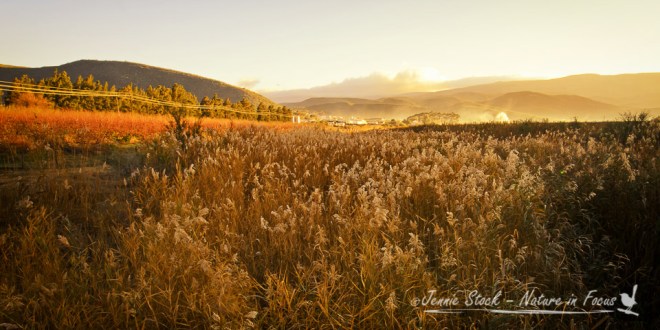
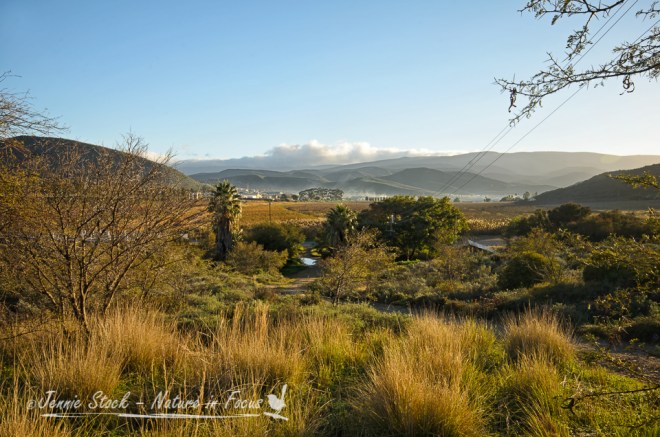
I think I broke a photography rule or two with this Montagu image – I was facing pretty much due north, looking straight toward the sun. But I love the way the reeds are backlit with the golden morning light shining through and how the mist has made the mountains and factories in the background all hazy. This was on the edge of town, standing on the bridge where Route 62 crosses the Kingna River on the way to Barrydale. From here I headed up the hill towards the nature garden and made another image looking in more or less the same direction, just from a different elevation.
Langeberg at sunrise
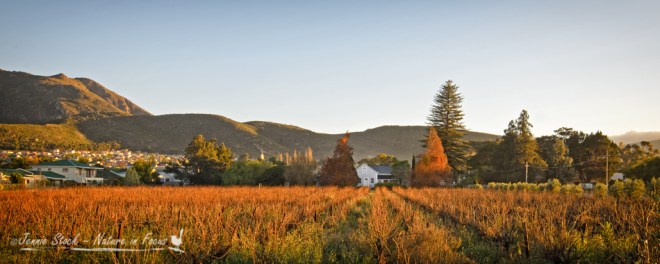
Visiting family in South Africa in July gave me a great opportunity for capturing landscapes, sunrise in particular. As the country only has one time zone, sunrise in the Western Cape in winter is not too early, and I cheated a bit by still being on Perth time. Getting up early wasn’t too much of an effort, even though it was freezing cold (definitely needed gloves for working with a camera and tripod). Montagu, the town my parents now live in, is very scenic and surrounded by some of my favourite things – mountains! The mountain range highlighted by the morning sun in the image above is known as the Langeberg, part of the Cape Fold mountains. Montagu is also well provided with vineyards (great for leading lines) and heritage buildings.
I thought I’d finish off my Dryandra posts with a few images taken in and around the wonderful Lions Dryandra Village– we’ve stayed here a few times and always been very impressed. The cottages were originally built to house the woodcutters working in the area, so they are lovely old buildings with creaky wooden floors and outside ‘dunnies’. Each cottage has an outside and inside fireplace – a plus for us as my husband loves being able to build a real fire (safely). The caretakers (Lisa and John) are very helpful and a fund of useful information; they do appreciate visitors who respect nature and the tranquility. If the cottages are full there is a DPaW campground at Congelin.
Numbat cottage at Dryandra
Eucalypt sunset silhouette
Kangaroos in the paddock
The cottage verandas face west, wonderful for sunset viewing across the paddock populated by Western grey kangaroos, with eucalypt forest in the distance. You don’t really need to move very far to see all sorts of interesting birds, like the very obliging male Red-capped robin shown below. Possums often make a night-time appearance and if you’d like to see more of Western Australia’s nocturnal marsupials the Barna Mia santuary is open some nights. Just dress warmly if you are visiting in winter. An early morning walk near the village should result in some close-up kangaroo sightings. There are plenty of other walks, good for wild flowers in spring and if you are really lucky you might see an echidna or a numbat (I’ve glimpsed a numbat once – would love a photo opportunity!).
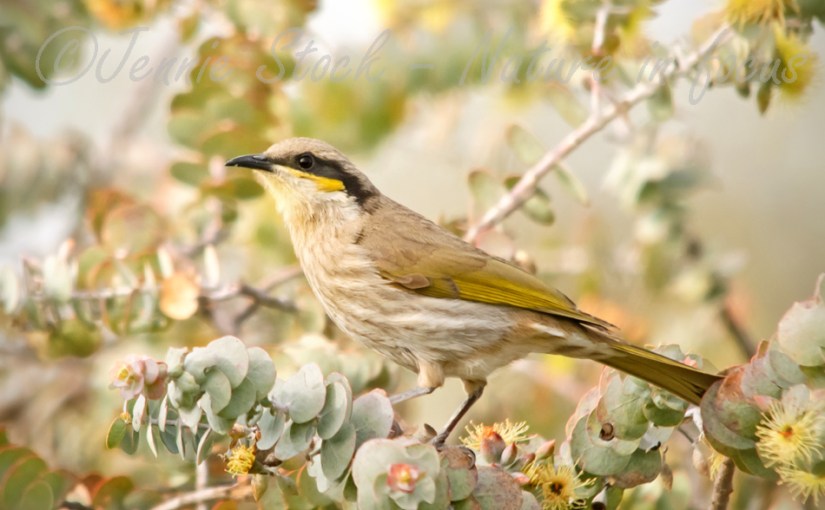
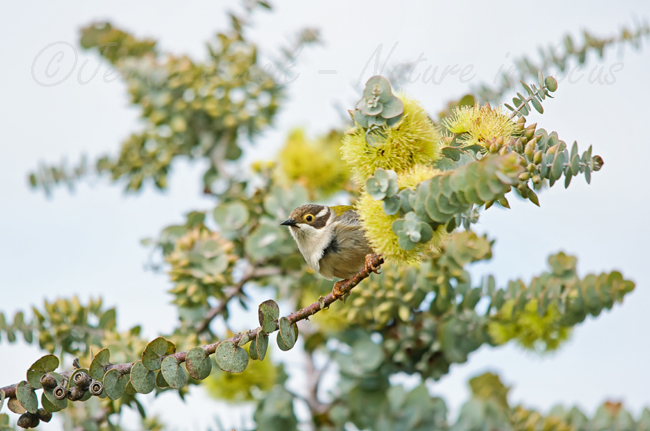
Dryandra and the surrounding area is always good value from a birding point of view, particularly considering the proximity to Perth (about 2 hours driving). From a photography point of view, I appreciate the fact that I can just wander off from the cottages and find plenty to see and photograph. On our last visit, the old arboretum was very productive, as the yellow eucalyptus flowers were attracting several different species of honeyeater. Although the Singing honeyeater is a common species in Perth, it was great to have them feeding at eye-level. I enjoyed seeing and capturing the smaller Brown-headed honeyeaters – they were quite a challenge as they flit about busily.
Brown-headed honeyeater hiding in the eucalypts
An entertaining spectacle was provided by a very fierce Willie Wagtail that seemed to have a kamikaze approach to life; diving and swooping at the much larger Grey Currawong. Currawongs probably do eat nestlings of other birds, so I guess the wagtail could be justified – the strange thing was that only one of the pair of currawongs seemed to attract the Willie wagtail’s ire. Meanwhile, a Ringneck parrot quietly went about feeding in the weeds in the adjacent paddock.
Incoming!
Grey currawong
Australian ringneck feeding
Some of the first bird images I took with my ‘big lens’ (the Sigma 150-500) were taken in Dryandra in July two years ago. I have learnt a lot about photography since then but am still fond of these pictures – partly due to the subjects being such beautiful birds. They were all feeding on another eucalypt species where the flowers had fallen onto the ground and attracted heaps of bees.



















 Nature in Focus