Spring in Dryandra

It is already starting to feel like spring in Perth – the days are warming up and flowers are appearing everywhere. As I haven’t had much chance to get out with the camera so far this year, I thought I’d travel back to spring in 2012 when we spent a few days at one of my favourite spots in Western Australia. Dryandra Woodland is a nature reserve in the middle of the Wheatbelt, protecting remnant patches of native vegetation. Spring is a great time to visit with many interesting species flowering.

This main image is a bug’s eye view of sundews or Drosera on a gravel path at Dryandra. Sundews are one of the largest groups of carnivorous plant; these particular ones are pretty small.

Field of sundew
Field of sundew

On the other end of the scale are these huge flowers of Eucalyptus macrocarpa or mottlecah. I’m not entirely sure if they are native to the specific area, as they were growing in an arboretum, but the species is endemic to the south-west of WA.

If you look carefully, you might spot the tiny orange spider on the white Pimelea flower below. I didn’t spot it until I got home and saw the image on the computer screen. The image on the right is Red Leschenaultia (Lechenaultia formosa) on one of the less-travelled roads in Dryandra; I love the way it just grows in the middle of the road. The other white flower is another tiny sundew or Drosera. Crawling around on the gravelly roadsides capturing these flowers was rather painful on the knees!

Parts of the reserve are dominated by sheoaks – here pink paper flowers make a very attractive understorey:

Pink flower carpet
Pink flower carpet
© Jennie Stock – Nature in Focus, 2013. Unauthorized use and/or duplication of any images or other material without express and written permission from this blog’s author and/or owner is strictly prohibited.

Early morning on Rottnest

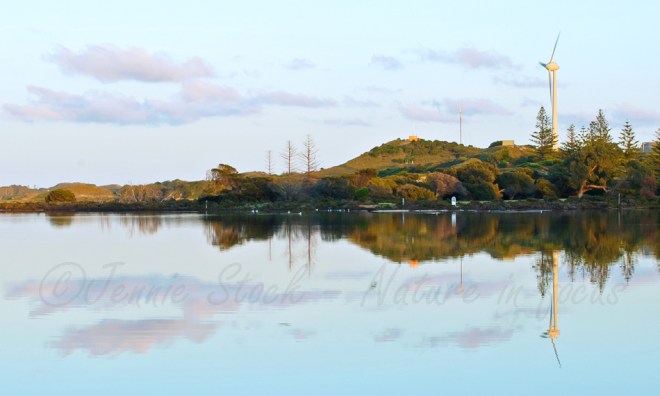
Herschel Lake at sunrise

The first time I stayed over at Rottnest I was there to help with a bird banding project – banding almost always involves early starts. The first morning I rode past the beautiful scenery and shorebirds, wishing I had time to stop with my camera. The second morning I arranged a little bit of time off – I think it was worth it to get such lovely light. My plan is to find a way to spend a whole week over there just taking photos, as the birding and scenery is so wonderful.

Rock parrots on Rottnest

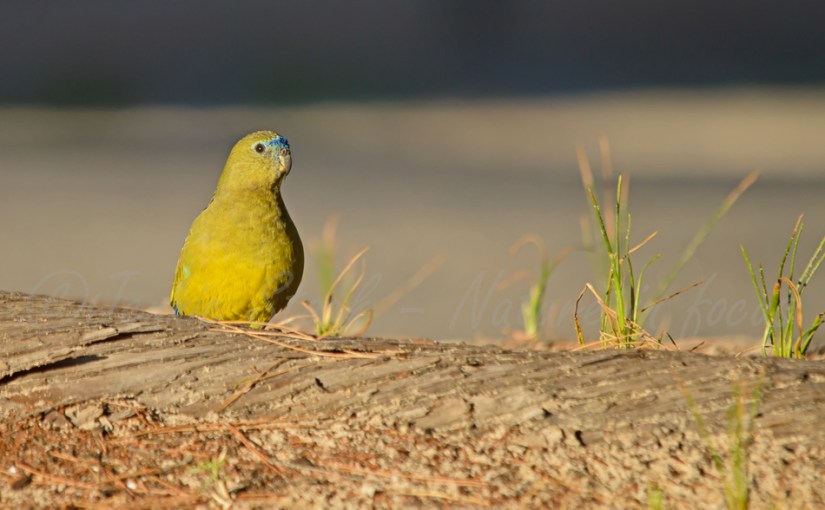
Rock parrot on Rottnest Island

A little while ago I spent a weekend on Rottnest Island trying to get some decent images of these gorgeous little birds. There is a very small population of Rock Parrots (Neophema petrophila) left on the island, although there are more on the mainland. This first image gives a good idea of their small size, with the bird not much bigger than the tufts of grass.

So far, three of the Rottnest birds have been banded (or ringed). The plan is to monitor this group of birds and collect information to help determine the exact population size, whether they are breeding, which parts of the island they use and so on. The researchers wanted some images of banded birds to use for posters asking for sighting information from the public. We managed to find a group of four rock parrots, including the three banded birds, each of which has a metal band on its right leg and a coloured plastic band on the left leg. They were moderately cooperative, allowing me to get some images of them and their bands. They didn’t go so far as to fly into the nets that had been set up in the hope of catching the unbanded bird!


Anyone who visits Rottnest and is lucky enough to spot a banded Rock Parrot, please report date, time, location, number of birds and band colour to boldparkbirdbanding@hotmail.com For more information see http://www.rottnestisland.com/about/flora-fauna/birds

Rottnest Island

Quokka on Rottnest
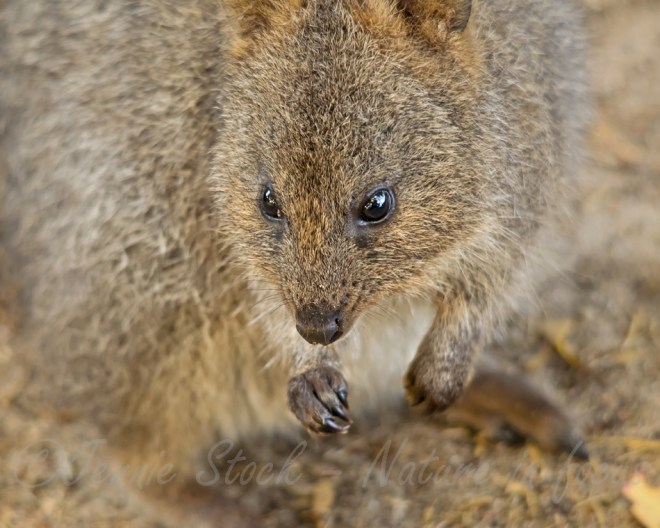
Quokka on Rottnest

This cute little creature is a quokka, a small marsupial familiar to any visitor to Rottnest Island. ‘Rotto’, as it is affectionately known, is a small island off the coast of Perth, Western Australia. Reached by a ferry trip of about 1 hr or by private boat, Rottnest is popular for summer holidays and day trips. There are virtually no cars and most people get around on bicycles. I have found Rottnest to be a great place for photography; as is the case on many islands, the birds and other animals are much less skittish than usual. In fact, the quokkas often get too close!

Rottnest is home to a couple of very attractive feral species – introduced birds that have ‘gone wild’. I think there is now only one peacock left on the island – he did look rather lonely. I saw a group of pheasants as well; I’m fairly sure this one is a young male bird.

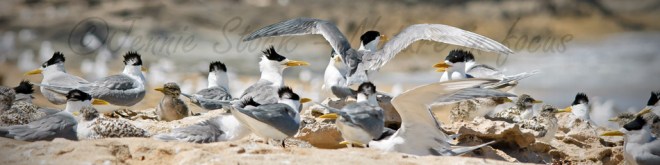
Crested Terns on Penguin Island

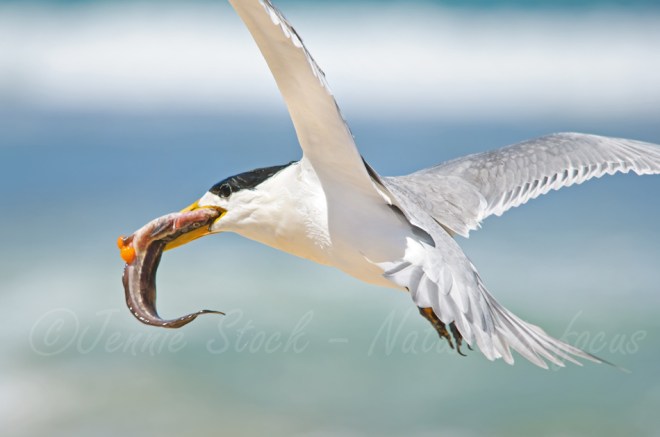
Catch of the day

Every time I’ve been to Penguin Island, I’ve been fascinated by the Crested Terns (Sterna bergii). The first time I visited with my camera, I watched for ages as a group of terns splashed about in the small waves on the more protected side of the island.

In late November last year, the terns were busy raising their families. They started out with the young hidden in the vegetation and the poor parents battling to get fish to the chicks without losing their catch to the very determined Silver Gulls.

Crested tern parents doing their best to feed their chick

Two weeks later, the colony had moved down onto the beach.

Crested tern colony

The gulls were still very much in evidence but not seeming as much of a threat, probably as the chicks were older. I’m not sure how the parents find their offspring in amongst all the chaos.

Hopefully those chicks are all grown up now, and in juvenile plumage like the bird on the left below.

© Jennie Stock – Nature in Focus, 2013. Unauthorized use and/or duplication of any images or other material without express and written permission from this blog’s author and/or owner is strictly prohibited.

Competition wins.

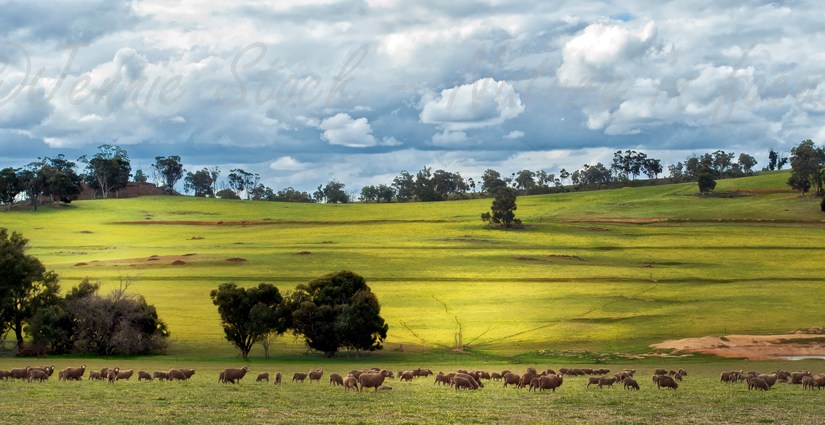
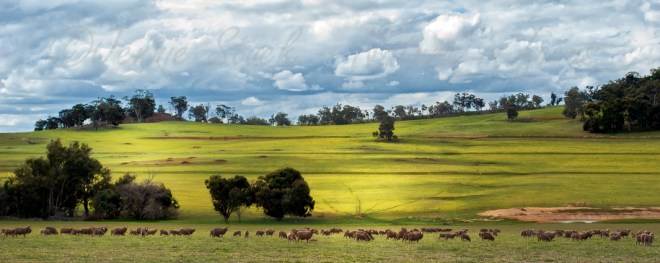
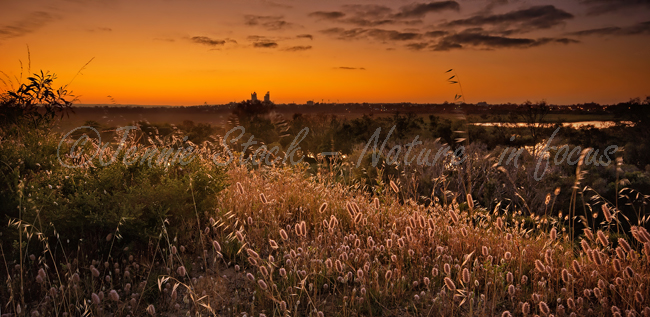
Photographically 2013 began on a high note, with two first places in the January competition at camera club. I was quite taken aback as the subject was landscapes and there are some much more experienced landscape photographers in the club. It did make the early mornings and crazily rushed evenings worth the effort.

Stormy sky in the wheatbelt ©Jennie Stock – Nature  in focus lg2

This image won first place in the Subject projected section. I’m glad someone else liked it – I was so pleased to capture and bring out the lovely lighting.

Watching the storm ©Jennie Stock – Nature  in focus

“Watching the storm” came first in the Open projected section. I have to say a big thank you to my daughter for being my muse and model for this one. Without her this image wouldn’t have the same impact.

Sunrise at Herdsman ©Jennie Stock – Nature  in focus
I love this image – and it got a merit in the Subject projected.


© Jennie Stock – Nature in Focus, 2013. Unauthorized use and/or duplication of any images or other material without express and written permission from this blog’s author and/or owner is strictly prohibited.